
Summer Summer Summer
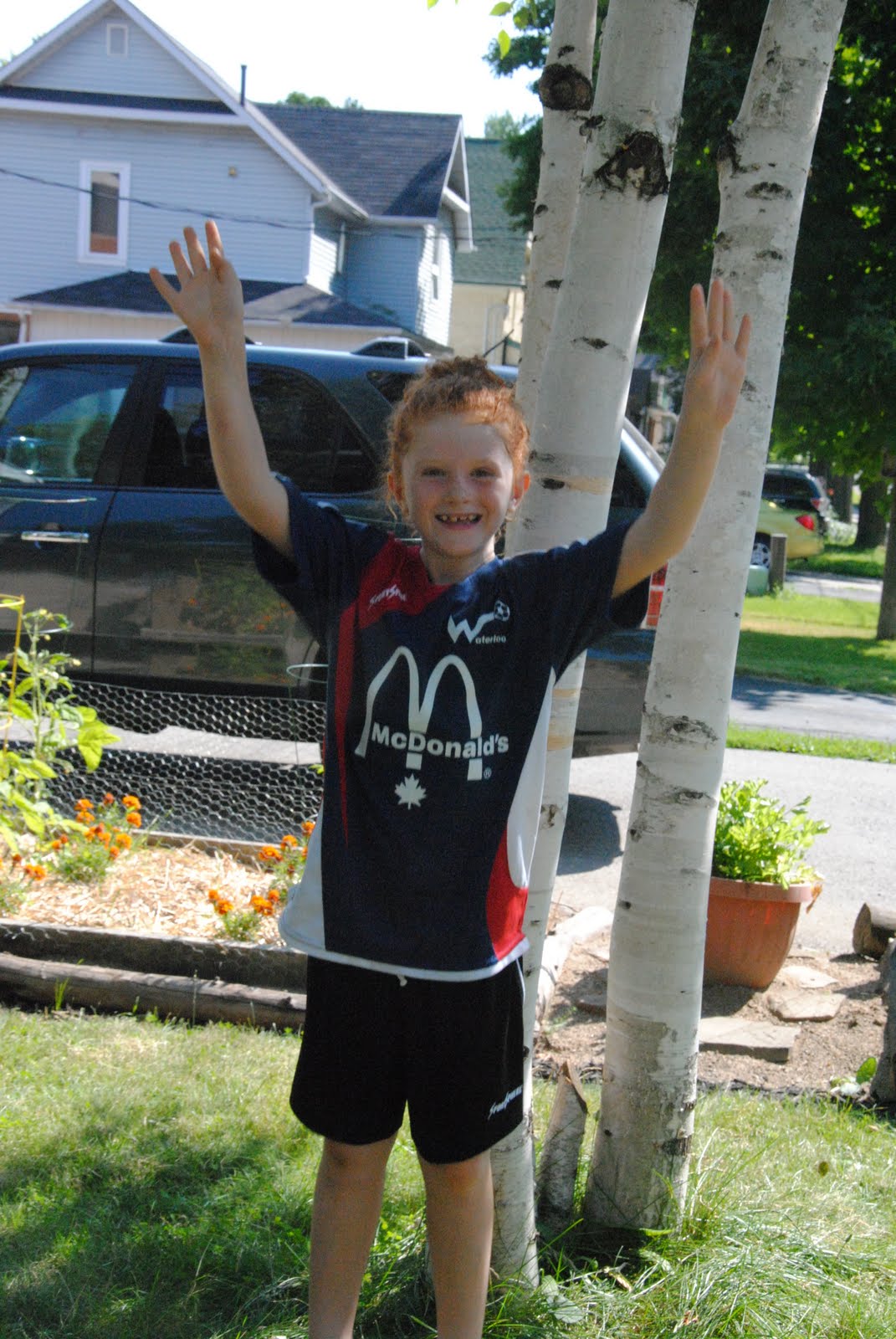
 I want to capture the flavour of our summer holiday so far. It’s been busy, but relaxing. We started with a camping trip, and the beach, experienced a couple nights of overnight camp (and for Kevin and me, experienced only having two children around–it was quieter, but the workload was not noticeably different, except that the younger ones missed the entertainment of the older ones). I enjoyed doing a long drive with the kids, and could imagine attempting something like that again–destination as yet unknown. Though it does go against my no-driving summer. Confession: We have done extremely poorly with that plan. Drove to camp, to beach, to camp, to home, to camp, all the while enjoying the air conditioning. For our Friday outing, we walked, but it’s not a huge accomplishment–the movie theatre is uptown. We saw Shrek Forever After, which was more entertaining than I anticipated–and the kids were awesome the entire time. Five kids, one parent, and no bathroom breaks, spilled drinks, or even excessive whining. Thank heavens, because I’d had a writing morning, and I am finding the transition between writing and parenting particularly challenging; translation: Mama’s been grumpy.
Warm-Up
I wrote a scene yesterday. And more. I’m pleased. Since it seemed to warm up my typing/thinking self to blog yesterday, I’ll start this writing morning the same way.
I’m Melting
Help! I can’t write. I can’t think. It’s too hot. My butt is sticking to this giant exercise ball that I use as a desk chair. There are four (4) children in the house (Albus came home from camp along with AppleApple, but they both had a great time and are thinking about going back in August). There is also one (1) babysitter here, and one (1) neighbour girl who is reading and/or writing with Fooey and/or Albus. And I am upstairs sweating and unable to think clearly and having the smallest of panic attacks that I may never finish these three stories, that I am without talent or ambition; and then I take a deep breath and think, ‘k, but it’s hot. All I want to do is sip a shandy and lie under a palm tree and have somebody fan me (Kevin, honey, are you busy?).
Overnight Camp
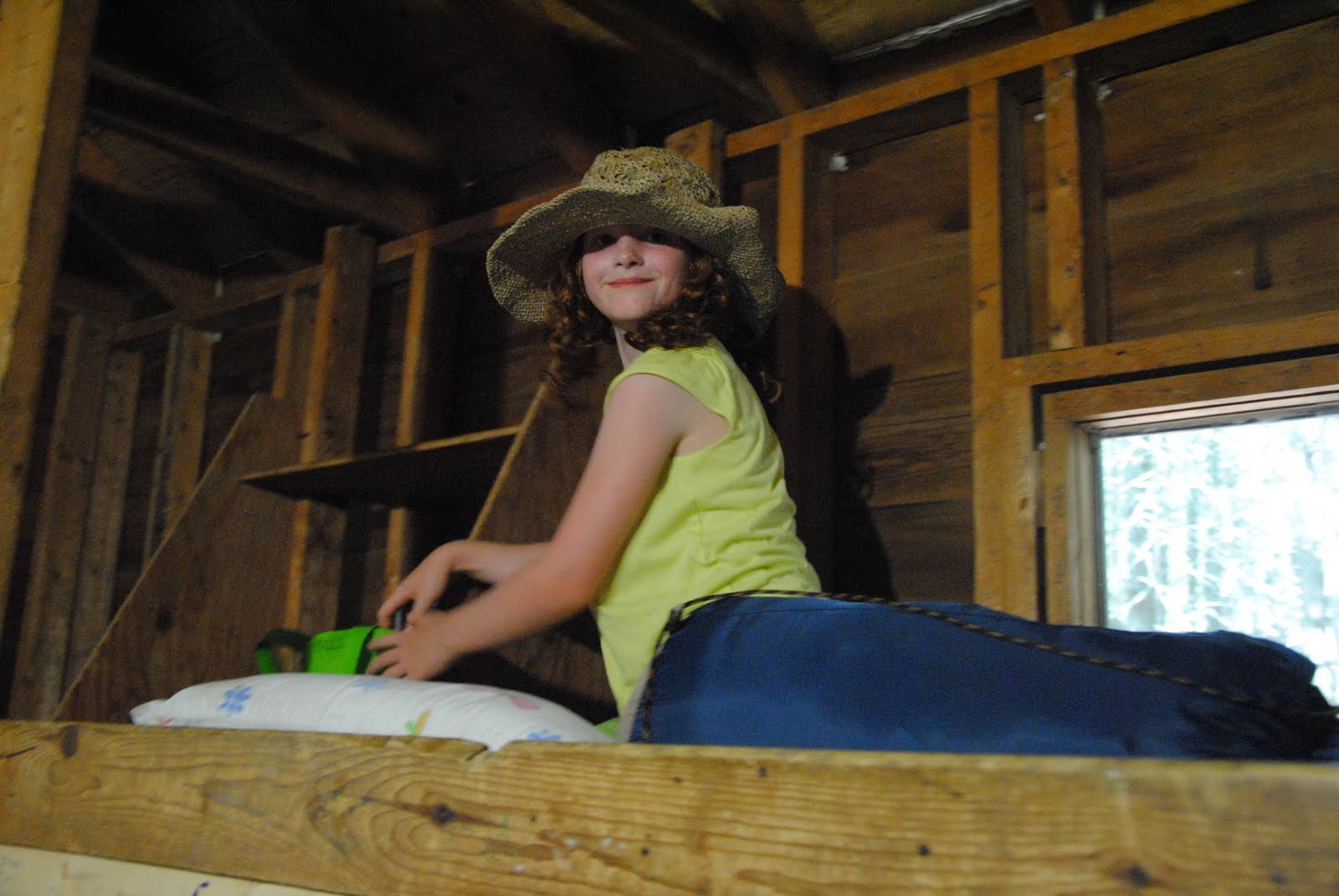
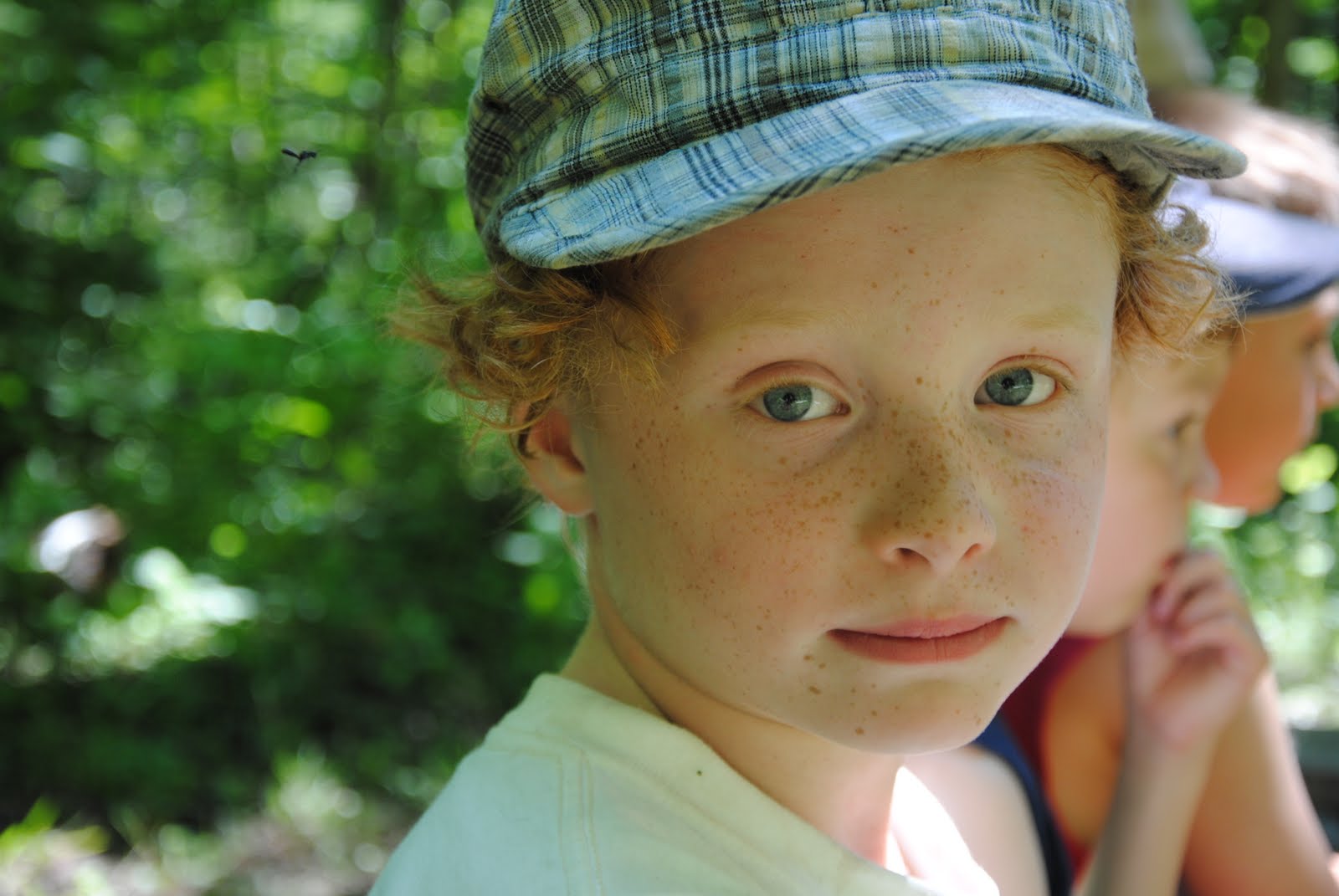 This summer, I’ve heavily loaded the front end of our summer holiday. Whether this proves to be a good idea or not has yet to be established, but at the very least, it will prevent the early lethargy and cries of boredom that marked the early days of last summer’s holiday.
Albus spent his first few days of holiday at home with us, and he was a changed person. He organized a self-monitoring system (“we all have to be honest”) to keep track of good and bad behavior. With AppleApple, he set up a stage in the living-room and organized a play that they plan to work on over the summer. He was, in short, a suddenly happy, thoughtful big brother, not the surly child we’ve seen so frequently in these latter days of the third grade. I think he must have been suffering more than we’d recognized, at school this year. He and I spent some time together, just the two of us, on Friday, and I asked him what he did not like about school, and he said that he didn’t like sitting still. Sitting still and doing work, because the work was boring–sometimes it was boring because he already knew how to do it, and sometimes it was boring because he didn’t know how to do it. Bit of a catch-22 there.
What most amazed me and Kevin was that these projects that Albus was organizing involved sitting down and writing. We could barely get him to write two sentences for his homework all year, and there it was: evidence of spontaneously occurring, self-motivated, parentally-painless application of literacy skills.
(We see this from AppleApple all the time; in fact, one of our projects last week–hers and mine–was to put together her newspaper, which is now completed! We just need to make copies, and possibly figure out how to post it online and link to it from the blog, to save paper and postage. More info on this soon. If you want a paper copy, send me a message).
:::
So, was it wise to send Albus off to overnight camp so soon after he was released from the bonds of school? The photos I took of AppleApple at camp yesterday show her busily arranging her bunk with all of her belongings (and she took her journal, so I expect new stories for the next edition of “Family Times” to be forthcoming). The photos of Albus, however, show him attempting to smile, then not even trying. His features and posture are transparent. He looks much younger in photographs. I could hardly stand to look at the photos last night, he looks so lonely and uncertain in them. I hope this was temporary. They were going to go swimming straight away.
I wonder–maybe he’s a homebody?
:::
I will see them both tomorrow, because I’ll be picking up AppleApple, who is only staying for two nights. She has a soccer tournament all this week and weekend. Albus has the choice of staying on till Saturday, and I really wonder, now, what he’ll choose.
:::
My two little ones: it’s just like a regular school day, on the days when Fooey is at home. Playing at the counter, colouring, writing. We have hired a neighbour girl to tutor Fooey and Albus this summer. Fooey is very close to reading, and eager to work hard on it–and I don’t have the time to feed her need as much as she’d like. She just spent a full hour sounding out words with our sweet, patient neighbour.
Albus was less keen to hear about the tutoring plan, but surprisingly accepting–we want him to keep working on his writing and reading this summer (which he may just do all on his own–who knew??); they’ll run multiplication tables together, he will read out loud, and work on writing an ongoing adventure story. After seeing Fooey’s appetite for learning this morning, I’m wondering whether half an hour, three times a week, will be enough for her.
Camping and Beach
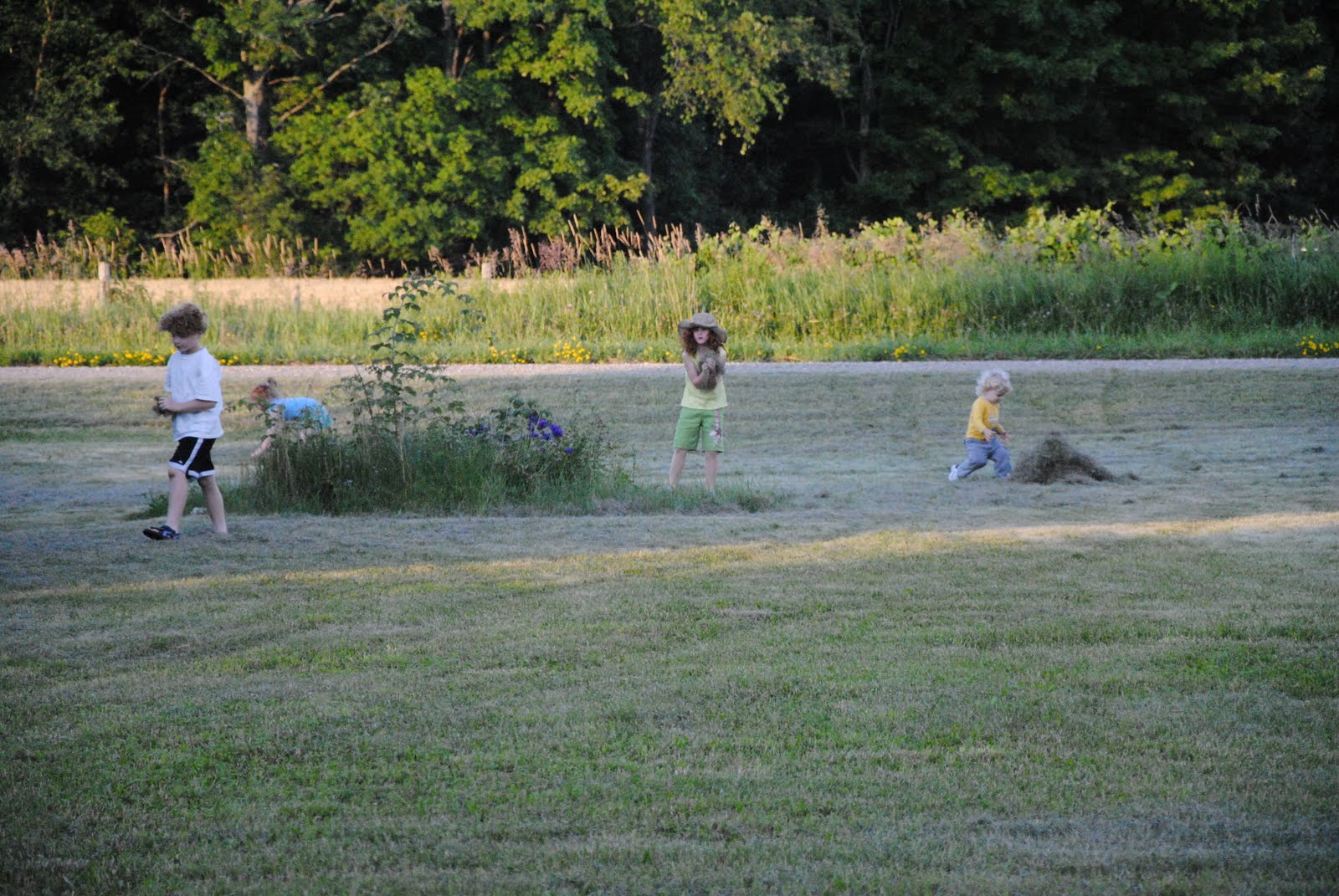

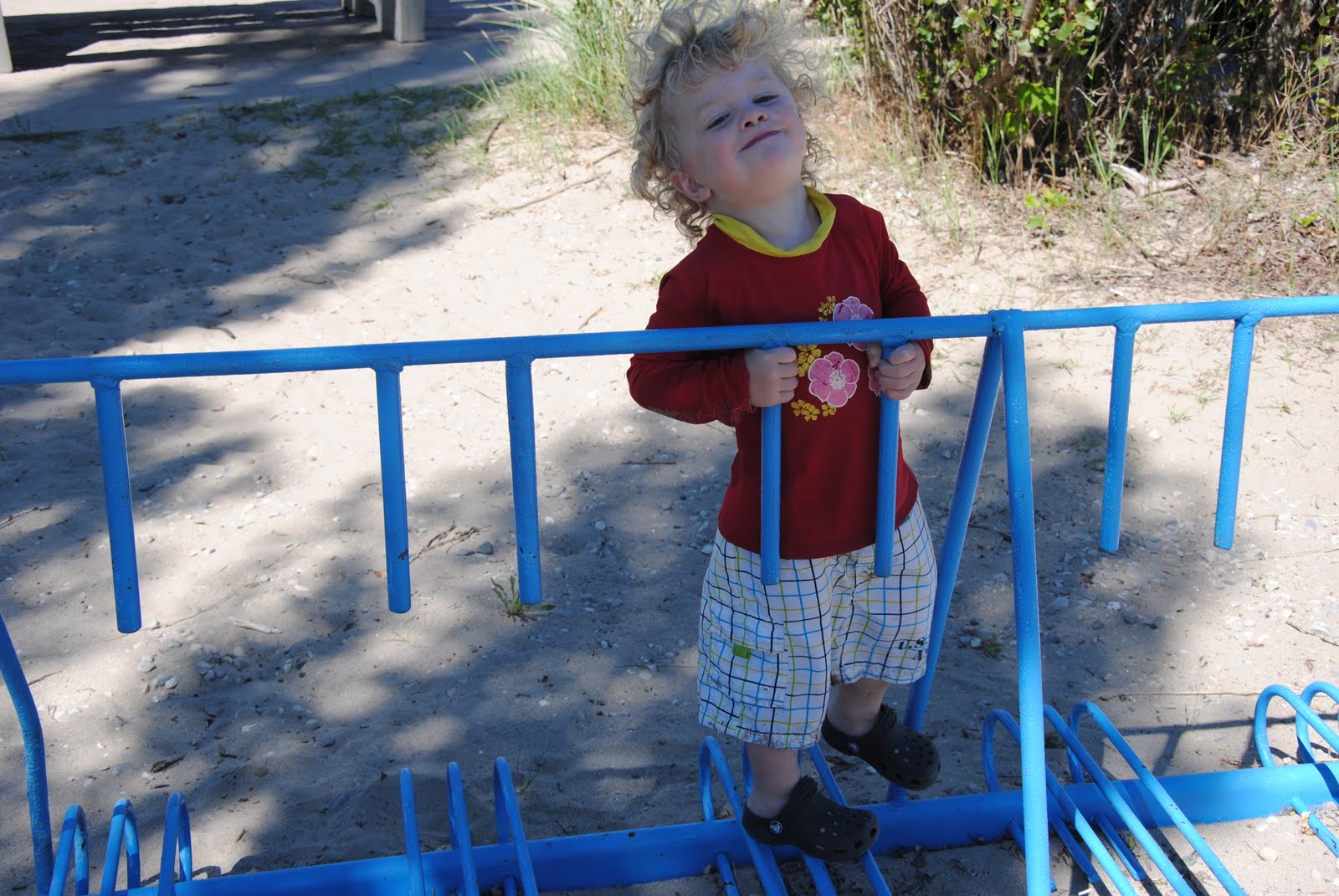
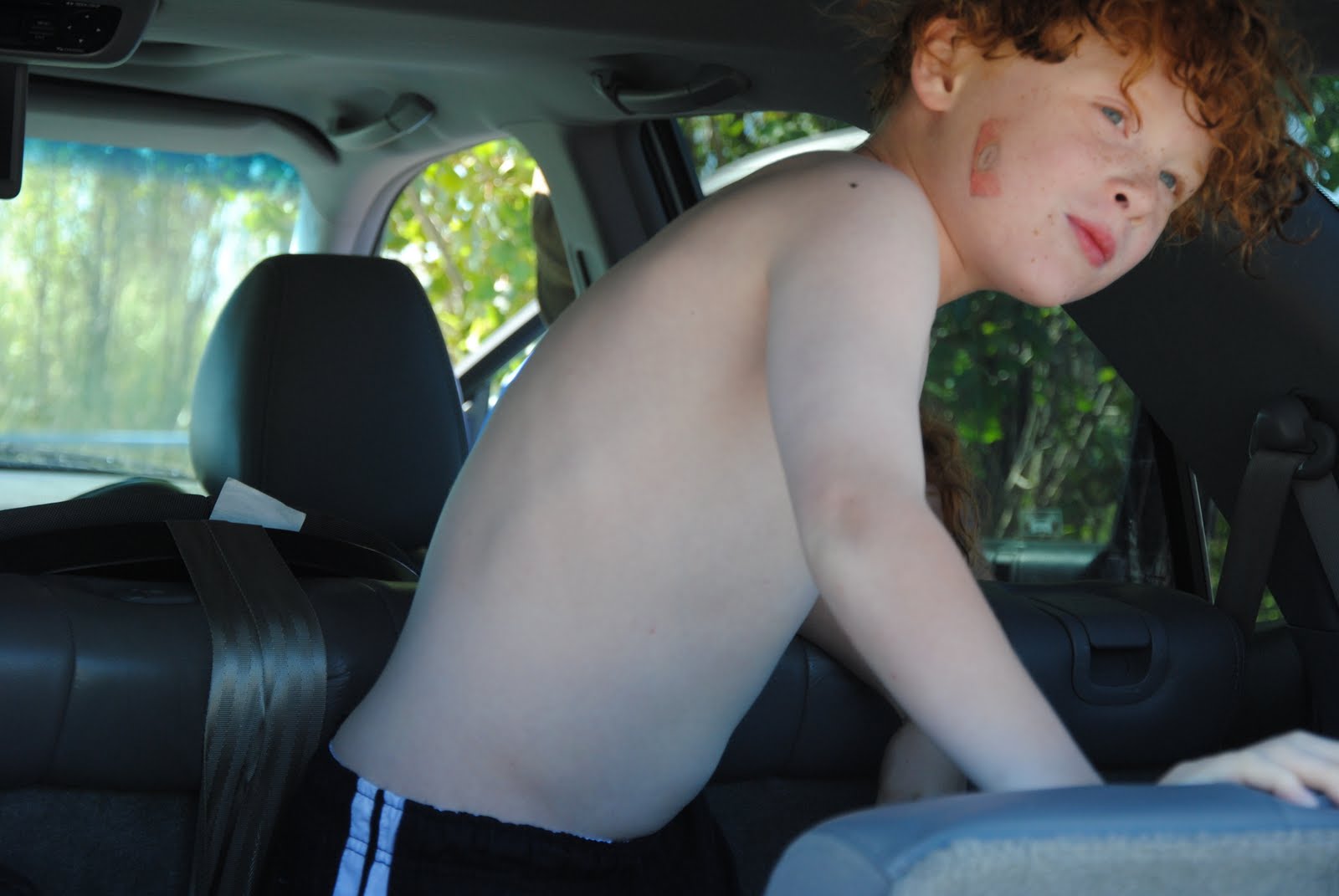
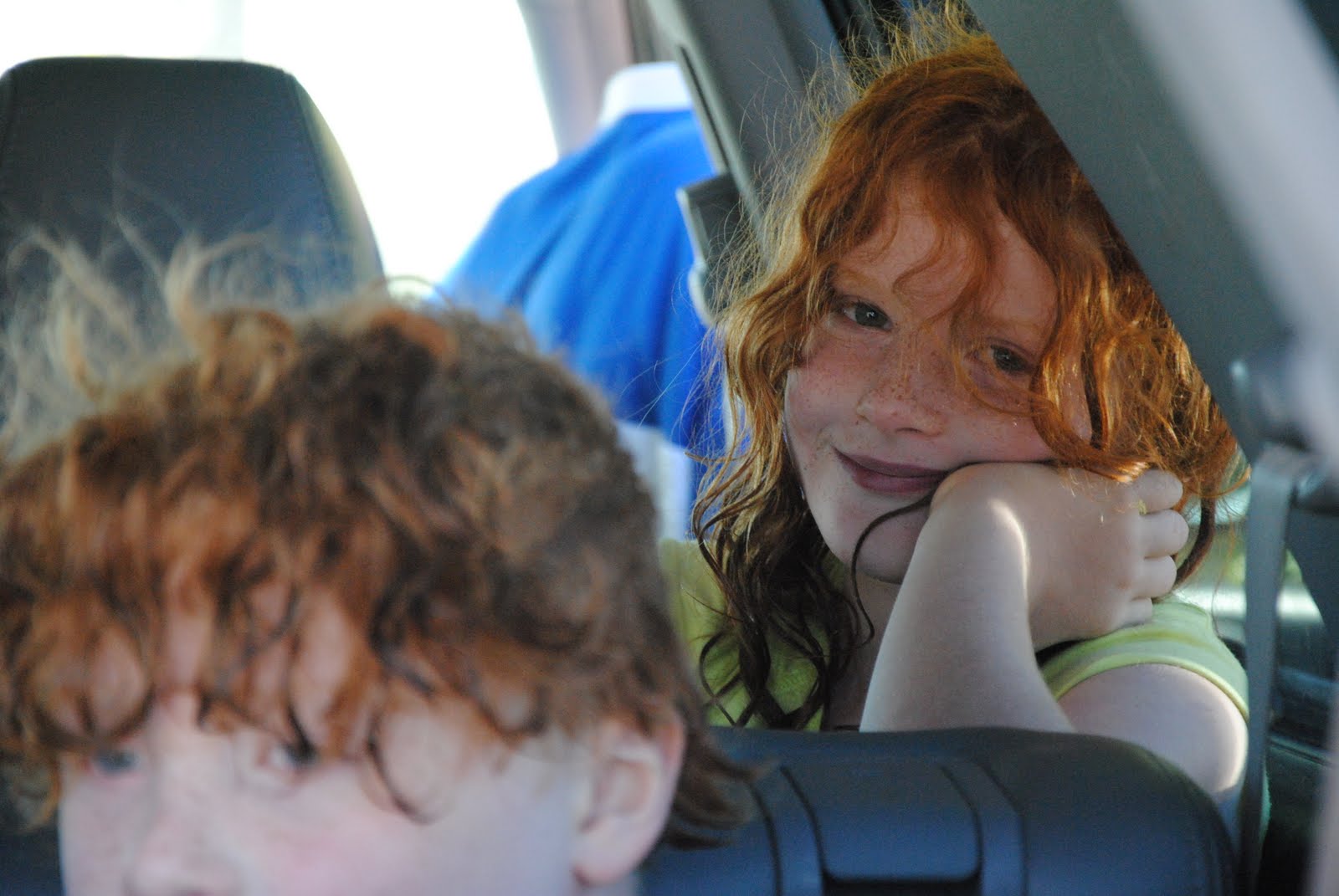 We spent the long weekend at my brother and sister-in-law’s farm, where we’ve gone for a few years now, to camp in comfort on their big lawn. There is always a bonfire, and the beach is nearby. We went into town early on Saturday to watch the Germany-Argentina game (my brother didn’t sit down the entire match, even when it was apparent that his team was going to win), and then Kevin and the kids and I vegged at the beach all afternoon. It was so relaxed. Lots of work to pack up and lots of laundry today, but so relaxed in between.