
Sayings
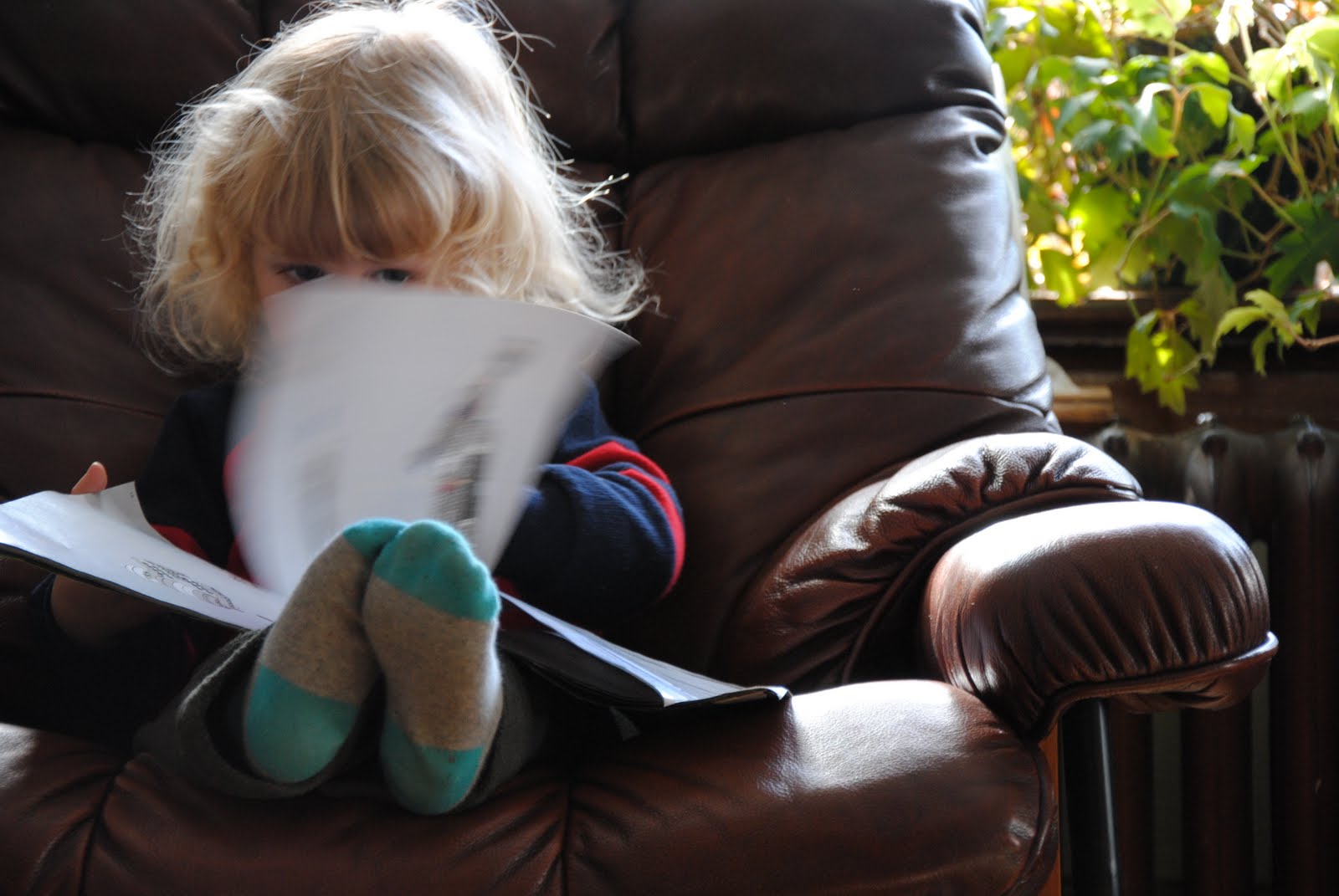
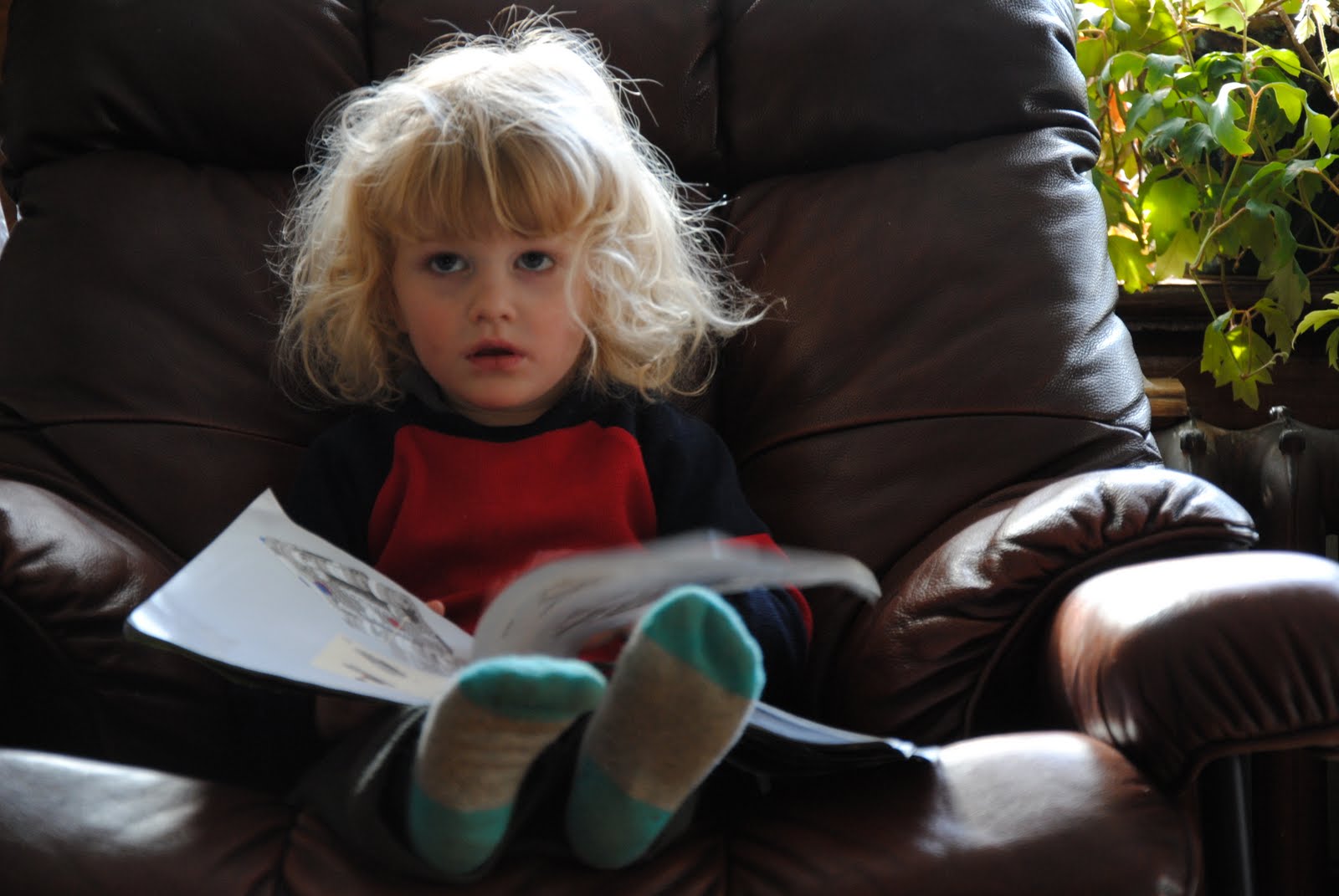
I’ve been re-reading old blogs as I attempt to organize them into a format that is printable, and I’m wondering, fellow bloggers, do you do this, too? Do you keep your blog entries in hard-copy? Do you have a method for organizing old material? Or do you trust in the online world to hold your posts in perpetuity? In looking back over this blog, it feels like a public diary, like a scrapbook of our family’s life, and I want to have it available to leaf through. There’s nothing like paper. But then, I’m an old-school girl. I like my books as books.
Which is not to say that I don’t like reading online, too.
In reading over the old entries, I was struck by how much this blog has changed. It used to be much more about the children, and it’s shifted over time to be more about me. I’m not sure whether that’s because as my children get older, I feel less inclined to invade their privacy by recording things that they may disagree with; or whether I’ve shifted in my own priorities away from the daily parenting. When I started the blog, CJ was four months old. Fooey wasn’t even three. We grow. We change.
In the spirit of the older blogs, I have to record a few CJ sayings. He’s just so articulate and lovely, my almost-three-year-old big boy. “I’m a big boy. I’m a little brother.”
As I was putting on his socks this morning, he looked at me, and said, “I see you down there!” It was the down there part that pleased him especially. It made me realize how in his world, he mostly sees people up there.
He is usually the last one out of bed, and a few mornings ago we were treated to the sound of his door opening and closing, and his sturdy feet hopping down the stairs (yes, he hops from stair step to stair step), until he arrived on the landing where he stopped and, taking in his admiring audience in the kitchen below, he began to sing. He sang a full verse and chorus to the tune of Twinkle, Twinkle, but with made up words, his long blond hair fluffed around his head like a halo, wearing his red footie Christmas pajamas. Then he jumped into my arms. I asked, “Did you learn that song at nursery school?” and he said, “No. I just made it up in my bed!”
Days of Play
 |
| Big boy reading to little boy. The lovely thing about this was that it happened after supper, when CJ was begging for entertainment, and Albus right away offered to read him a book: Green Eggs and Ham. Albus has become such a reader over the past year or so, devouring chapter books, but reading out loud is yet another step. |
 |
| I gave the kids a mental health day awhile back, and this is one of the activities we did: colouring, water-colouring, and drawing on a large single sheet of paper. The end result was not overwhelmingly amazing (I did not hang it on the dining-room wall, as the kids requested), but the process was a lot of fun. Reminiscent of the kind of hands-on directed-activity parenting I used to do on a regular basis, that is now fairly rare. It’s nice that it’s rare, because it means the kids play independently and creatively all on their own, but occasionally it’s also nice to get to be a part of that play, too. But only occasionally). |
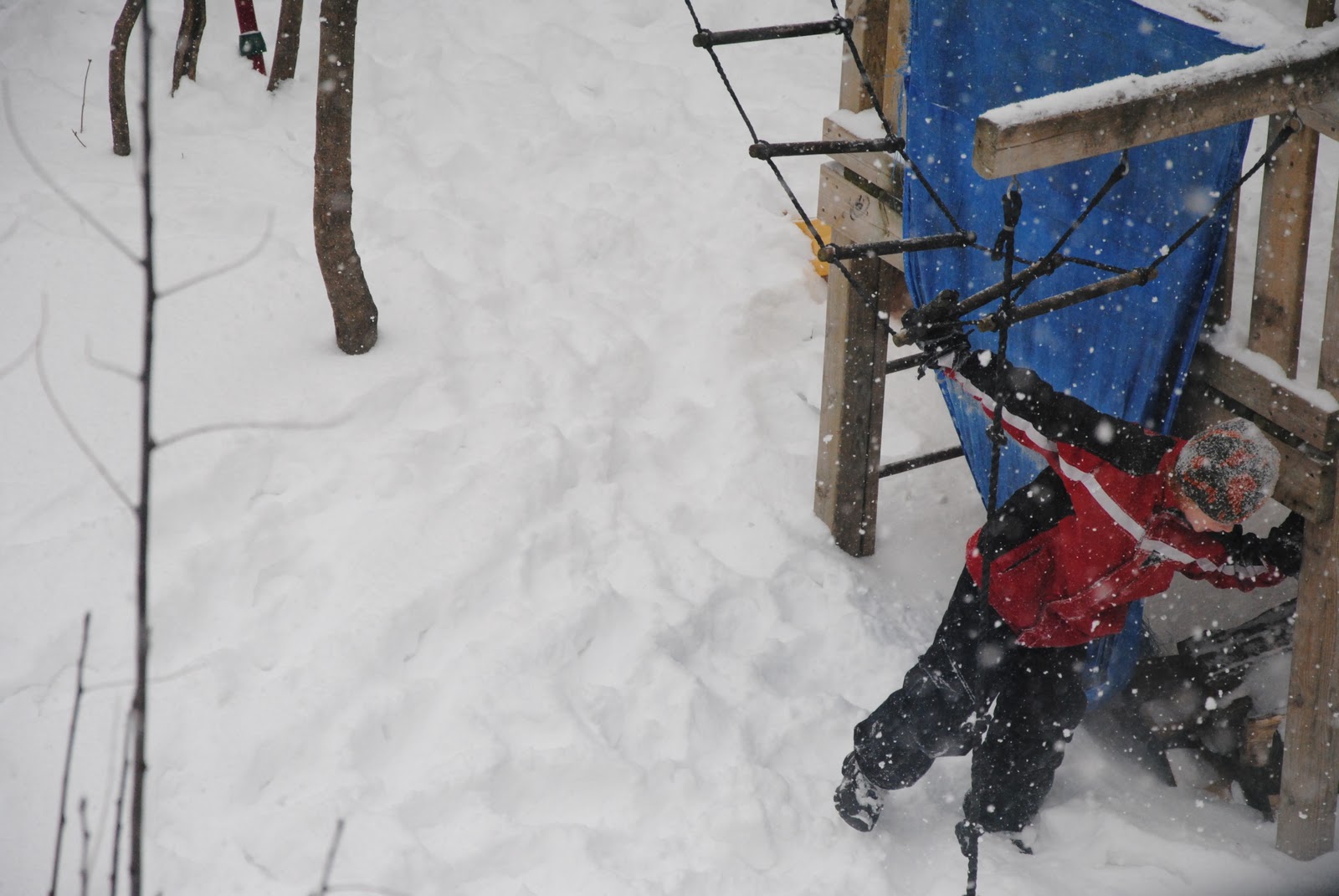 |
| Snow day/P.D. day play. |
 |
| Fooey was out for an hour, along with several other kids (I was babysitting that day). They ended with a game that involved jumping off the porch and swinging on the chain that in summertime holds up one of the hammocks. I didn’t find out about that til later. Hands-off parenting/babysitting has its downside. Though everyone came in unharmed, glowing, and happy, and devoured a snack of hot chocolate, marshmallows, and apricot cake. Is there a lesson in this? |
 |
| Tuesday and Thursday mornings. As soon as the big kids head out the door, the little kids throw themselves into play. (What will we do next year when Fooey goes to school all-day, every-day?). This morning. Started with puzzles. Moved on to cooking and baking. |
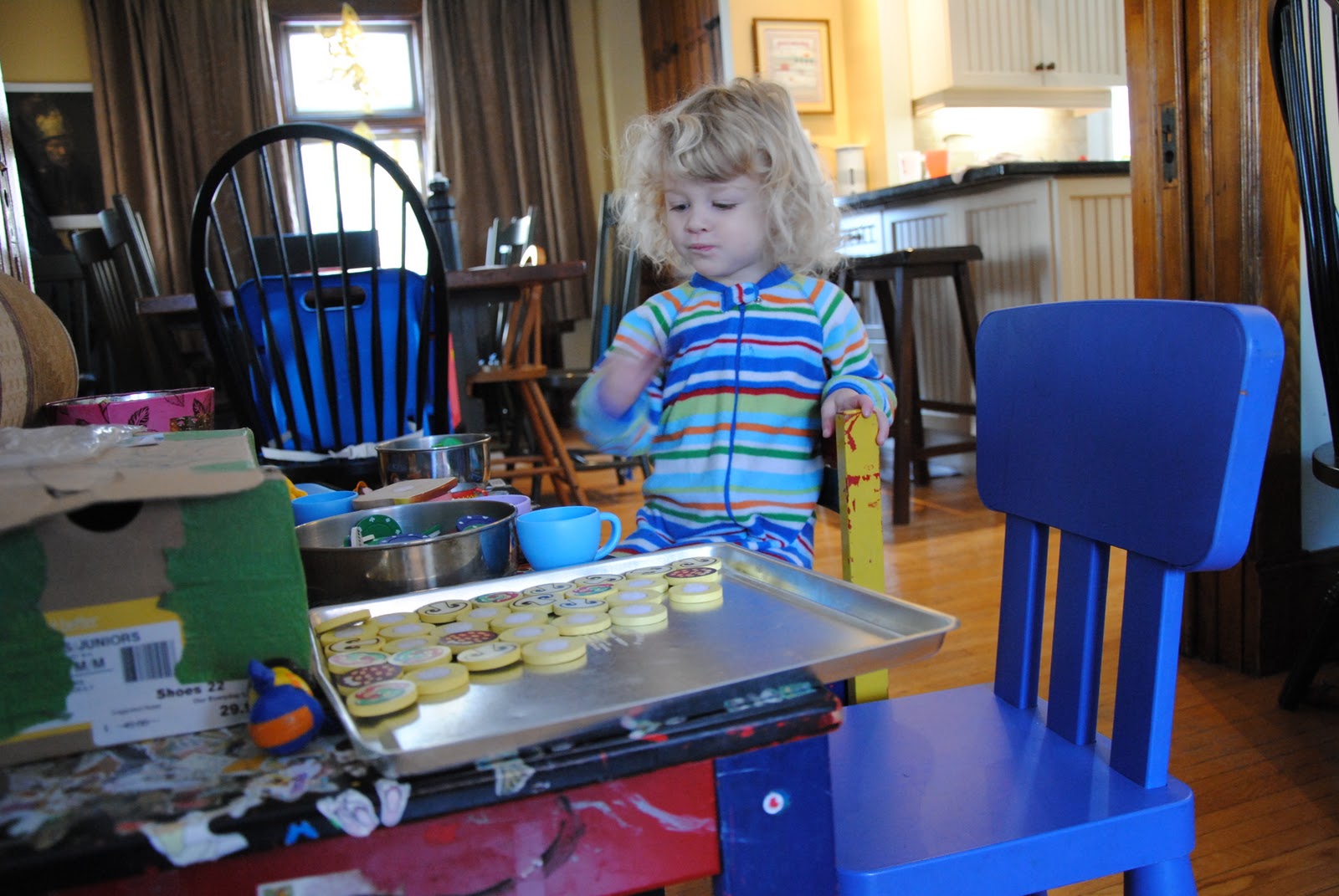 |
| Followed by eating, of course. And nope I’m not involved in this game. I’m sitting at the computer nearby, typing this post. (They’ve moved on to naptime right now. Sounds good to me …). |
Red Herring

I’ve been writing more regularly on my side-project blog, Swim/Run/Bike Mama (yup, it’s on the triathlon project), and less regularly, perhaps, here. Since finishing the 365-project (apparently, I thrive on projects), I’ve hardly picked up the camera. I am giving myself a full week of breathing before even thinking about what to do next, photography-wise; but one interesting discovery is that out of 365 photos, there are about thirty that stand out, and among those, a few that might just come together to tell an interesting story quite apart from the project and apparent subject matter: ie. I can make something else out of them. Maybe that’s reason enough to continue taking a photo every day. Because at any moment, something lovely is waiting to come into existence (surrounded by a lot of other moments and attempts).
I’m linking to a piece in the National Post by my former boss, Noah Richler: he argues that funding the arts provides a public service quite beyond what can be valued monetarily. The salient point is: some things aren’t done for profit–how do we measure their value? And what does what we value and support say about our country?
And, you know, on a very personal level my thinking has been heading this way, too: questioning my compulsion to evaluate what I do in a very black and white, cost-versus-profit manner. I wrote a few posts back about wanting to be independent, financially. That’s not a superficial desire. On the other hand, it doesn’t take into account–or value–all the ways that I do support my family and contribute, ways that aren’t and probably can’t be compensated in a “fair” way. In our marriage, we try not to do too much horse-trading, ie. I did the dishes so you have to put the kids to bed. Because that just creates a feeling of unfairness: maybe the dishes are worth only two kids being put to bed; or maybe on that particular evening, the kids need a bath, which is more time-consuming, so it should be worth an extra round of dish-washing; or … well, you see where I’m going with this. In the same way, there is no way of measuring the effort that goes into, say, writing a book, and compensating it “fairly.”
Do I need to be financially independent? That’s a really personal question, I guess. I haven’t got an answer yet. But I’m interested in all the reasons that maybe, maybe that question throws me off track. Maybe it’s a red herring. Maybe the question is: can I accept that the work I’ve chosen to do may never be compensated at a rate that would allow me to be financially independent? What matters? Is it money?
Recipes on Demand
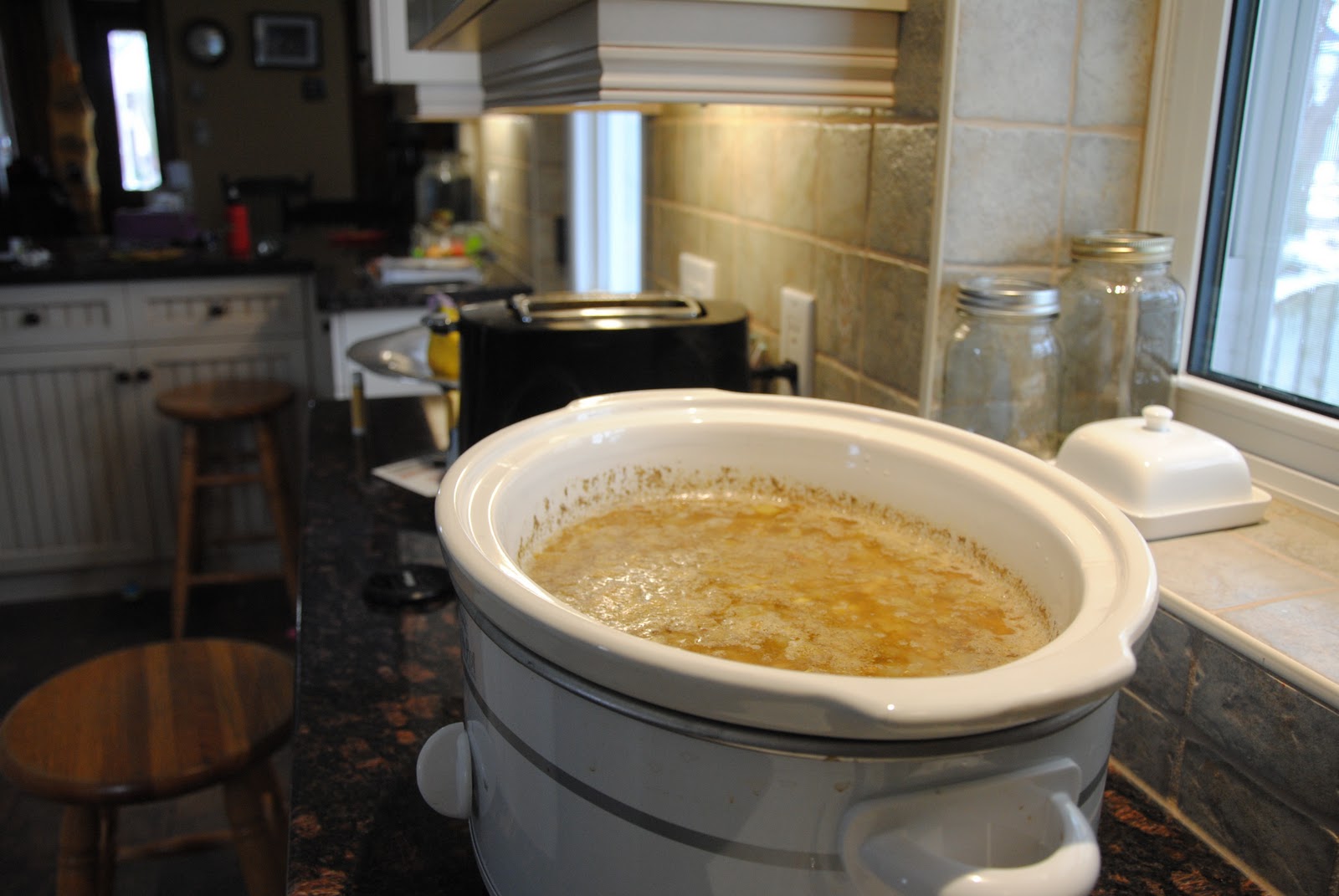
Lentil soup in a crockpot. It’s easy to throw together in the morning, fills the house with delicious smells all day, and makes a satisfying meal over rice or with pitas. Top individual bowls with yogurt or sour cream or crema la vaquita, or crumbled feta or queso duro blando. Either soup could just as easily be made in a pot on the stove, with a much-reduced cooking time–about an hour from beginning to end, or until the lentils soften. (You’ll note, too, that both soups can be prepared not only as vegetarian, but as vegan).
Here are two recipes for the price of one. My kids love both, although AppleApple is not a curry fan, thus making the curried soup a more difficult sell.
Curried Lentil Soup
In a small amount of olive oil, saute 2 chopped onions, 2-4 cloves garlic, and 1 tbsp minced ginger (subsitute 1/2 to 1 tsp ground ginger), and approximately 1 tsp salt. Toward the end, add 2 tbsp mild curry powder and cook off the raw flavour. Scrape into slow-cooker, adding water to the pan to get every last bit out. Black pepper may be added to the mixture, too.
Rinse 2 cups of red lentils and 1 cup of green lentils, and add to the slow-cooker. Now here’s the ad hoc portion of the recipe. If you like your soup thicker, add about 8 cups of water or broth. If you like it soupier, use more liquid. I use a 3kg container of frozen homemade chicken stock, and add water, following the whims of the day.
Cook on low, covered, all day (8 hours or so).
Finally, just before the soup is ready to go to the table, stir in the juice of one lemon (or a couple tbsp of cider vinegar). Don’t skip this step! It’s what finishes the flavour sensation. If you have fresh cilantro, chop and add a bunch at this stage, too. If not, it’s still going to taste really good.
Harira
In a small amount of olive oil, saute 2 onions. When softened, add 1 tsp each: powdered ginger, cumin, turmeric, and ground black pepper. A bit of extra cumin won’t hurt, either. Fry for about a minute, then scrape into slow-cooker, adding water to loosen every last yummy bit.
Rinse 2 cups of green or brown lentils. Add to slow-cooker.
Toss in 1 whole cinnamon stick. And one can of tomatoes–diced or pureed or whole (I use a quart or half-pint jar canned last summer; size doesn’t matter). If you happen to have a bunch of fresh cilantro on hand, toss it in, stalks and all (and fish out before serving).
Again, the amount and type of liquid added is up to you. I use chicken stock if it’s handy, but water is a-okay. Add between 6-10 cups. If you’re using water, you’ll need to add approximately 1 tsp salt; with chicken stock, you may not need any. Taste before serving and re-season, if needed.
Cook on low, covered, all day (8 hours or so).
Finally, just before serving, stir in the juice of one lemon. Really, it’s the secret to many good recipes. Cider vinegar makes an excellent substitute.
Note: You are most welcome to add diced carrots or shredded zucchini or other veg to either recipe! I refrain, because that level of mixing and mushing of ingredients does not please my children. I find the most popular slow cooker recipes are those with a short ingredient list. Raw or other cooked veg can be served on the side.
Flip flop
Post-yoga thought: guidance. Sometimes it takes pushing to get to where one wants to go; sometimes all the pushing in the world won’t do it. I’ve had some doors open for me, over the years; and some stay firmly locked.
I’m not a huge fan of waiting for things to come. I prefer to be active. I’m an action verber: a do-er, a go-getter.
But I’ve pushed a whole lot to get to where I am right now (thinking about my writing). And I think it’s time to sit quietly and wait for guidance. That sounds extremely hokey, at least to me, it does. But I think so. I think it’s time. In a good way.